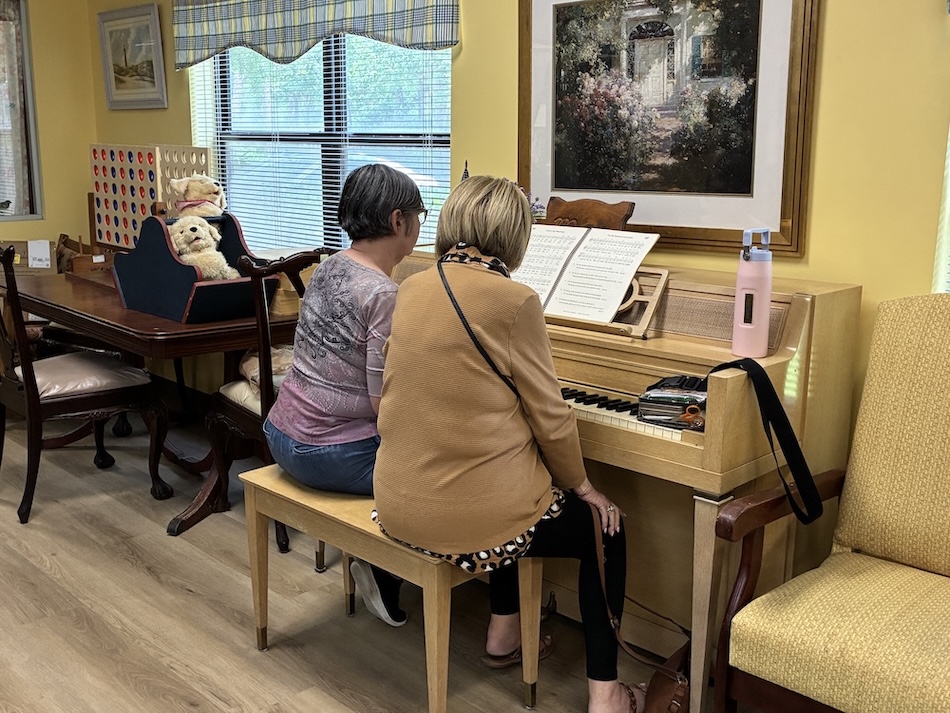
When you walk through the doors of Almost Home DayBreak, you’ll often hear something magical happening – the sound of music filling the air, voices joining together, and genuine laughter echoing through our home-like environment. This isn’t just entertainment; it’s medicine in its purest form.
The Science Behind the Song
Music truly is the “language of Alzheimer’s,” as we like to say at Almost Home. While memory may fade and words may become harder to find, the connection to music often remains remarkably strong. Research shows that musical memories are stored in areas of the brain that are typically less affected by Alzheimer’s disease, which is why a resident who struggles to remember their own name might suddenly light up and sing every word to a song from their youth.
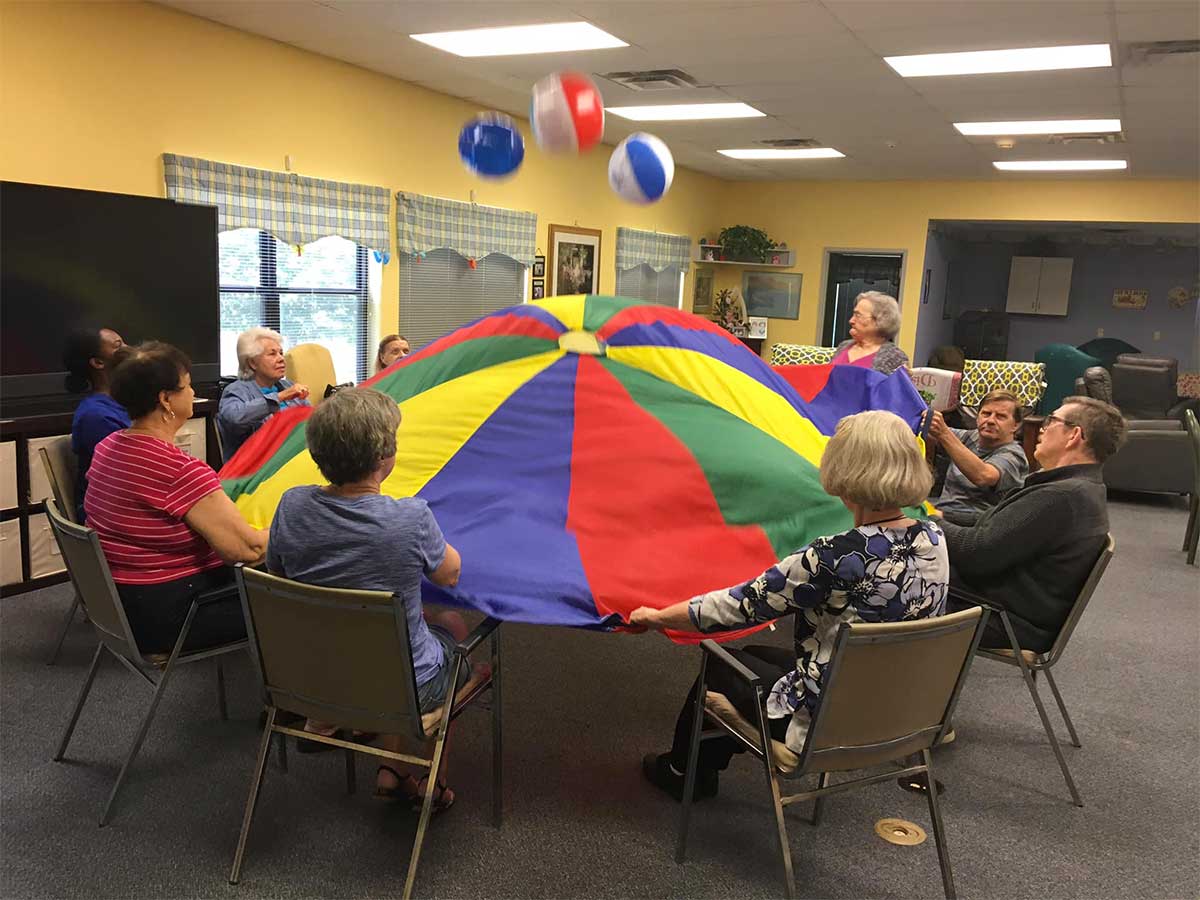
During our lively music therapy sessions, we witness something extraordinary – the joy is genuinely contagious. You may find yourself wanting to get up and dance! But more importantly, we see residents who haven’t spoken in weeks suddenly humming along, or someone who’s been withdrawn all day tapping their feet to the rhythm.
More Than Entertainment: Real Benefits
Our music activities are carefully designed as part of our APPROACH© framework, where “A” stands for “Activities are the art of being together.” These sessions provide:
Emotional Connection: Music triggers powerful emotional responses, helping residents connect with positive memories and feelings from their past.
Social Engagement: Group singing creates a sense of community and belonging, reducing isolation and promoting interaction among residents.
Cognitive Stimulation: Following rhythms, remembering lyrics, and participating in musical activities provide gentle brain exercise that can help maintain cognitive function.
Physical Benefits: Dancing, clapping, and moving to music provide light physical activity that supports overall health and mobility.
Creating Those 30-Second Moments
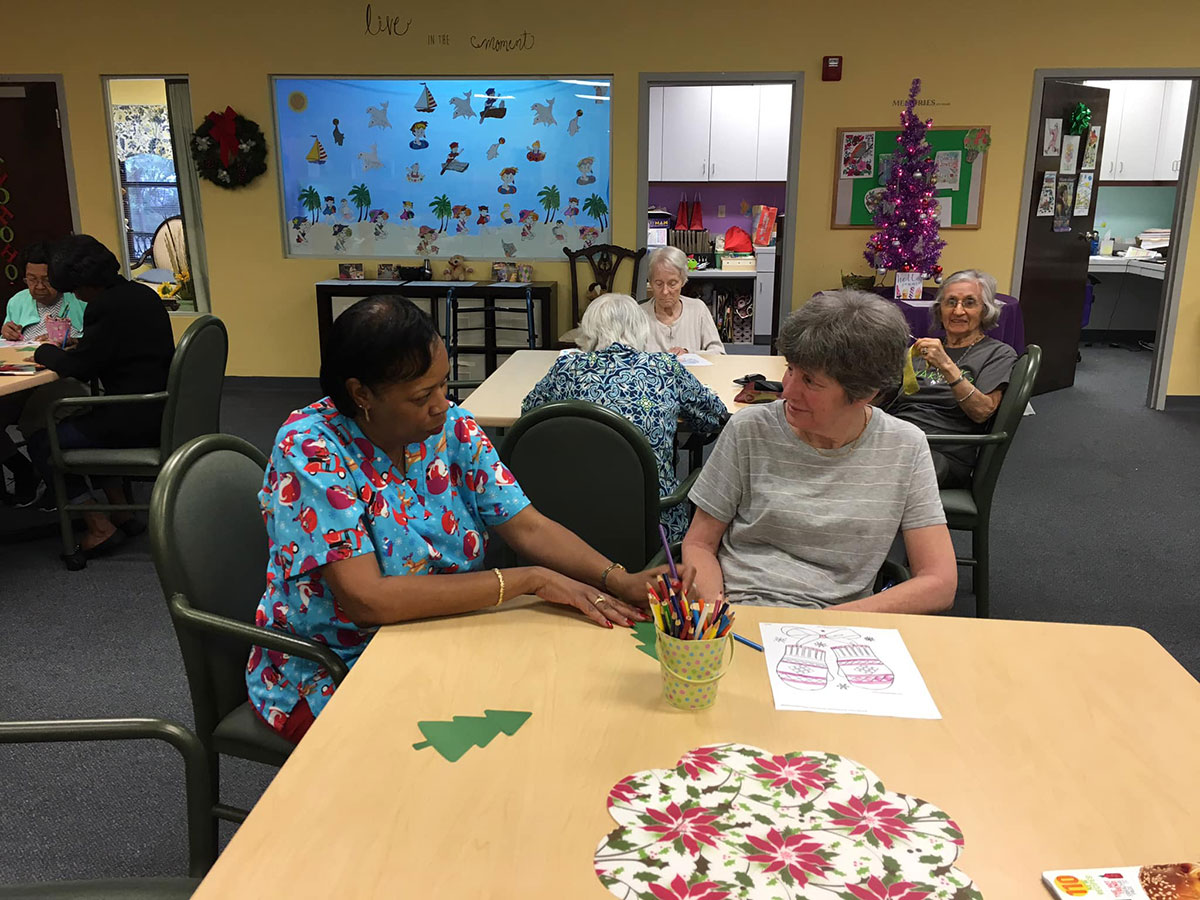
At Almost Home, we believe it only takes 30 seconds to change someone’s moment. During our July sing-alongs, we’ve seen countless examples of this philosophy in action. A gentle touch during a familiar song, a warm smile while helping someone keep the beat, or simply sitting and listening alongside a resident – these small gestures create profound impacts.
Our compassionate care partners understand that music isn’t just about the songs we play; it’s about creating meaningful connections and preserving the dignity and joy that every person deserves, regardless of their memory challenges.
This July, as we celebrate the power of music in memory care, we’re reminded that sometimes the best medicine doesn’t come in a bottle – it comes from the heart, shared through song.
 Why I Walk to End Alzheimer’s