Care is often thought of as something we give in moments of need. But some of the most meaningful care happens long before those moments arrive — in the quiet preparation that keeps families connected, confident, and supported.
At Almost Home Assisted Living Facility and Almost Home DayBreak, we see every day how comfort comes from familiarity. When routines are understood and important details are easy to access, transitions feel smoother and stress feels lighter for everyone involved.
That’s why Step 2 of Simply Be Prepared : The Guide to Organizing Your Life’s Commitments is so important.
Care Is in the Everyday Details
If someone needed to step in and help tomorrow, would they know where to start?
Our daily lives are made up of countless small responsibilities — appointments, medications, bills, routines, and contacts. When those details aren’t written down, loved ones are left guessing during moments when clarity matters most.
Step 2: Identify Your Life’s Activities
Step 2 focuses on gathering everyday information that helps someone support you confidently if needed. Jamie breaks this step into clear, manageable categories, including:
Legal Matters – important contacts and documents
Medical Information – doctors, medications, and health details
Daily Business & Household Bills – accounts, passwords, and responsibilities
Important Additional Information – anything unique to your life and routines
When information is organized, families stay connected. Decisions feel less overwhelming. Conversations feel clearer. And care feels calmer.
Ready to continue the journey? Say Yes to the Next Step.
Call Jamie today to see how Almost Home can help your family. 904-731-4002.
Being prepared doesn’t have to feel overwhelming. One of the most meaningful things you can do for yourself—and the people who love you—is to choose someone who can speak for you if you ever can’t speak for yourself.
That person is called a Health Care Surrogate.
What is a Health Care Surrogate?
A Health Care Surrogate is the person who becomes your voice in a time of need. If you’re unable to communicate, they help make sure your wishes are understood—so your medical care aligns with your values, your preferences, and what matters most to you.
It’s not always an easy topic to think about, but many families find that having this conversation actually brings them closer. It can replace uncertainty with clarity—and fear with peace of mind.
Step 1: Choose Your Health Care Surrogate
To get started, take a few quiet minutes and consider these questions:
Who in your life would speak up for you if you could not speak for yourself?
Does this person know your wishes if something happened medically and someone needed to make decisions on your behalf?
Have you thought about how you would want to be treated if something impaired your ability to care for yourself or left you unable to speak regarding life-saving or life-altering treatments?
A gentle reminder: your Health Care Surrogate does not have to be your spouse. It can be anyone you trust—sometimes a family member, a close friend, or another supportive person who understands your values and will advocate for what you want.
What should you talk about?
Once you’ve chosen your surrogate, your first conversation doesn’t have to cover everything at once. Start simple by discussing how you would want decisions handled if any of the following happened:
A life-threatening injury
A heart attack
A stroke
A need for a feeding tube
A need for a blood transfusion
A need for artificial ventilation
A gentle reminder
Choosing a Health Care Surrogate is about honoring your voice and easing the burden on the people you love. It’s one small step that can bring a lot of peace of mind.
Follow along with us this year as we share the next steps in our Simply Be Prepared series.
Ready for the first step?
Say yes to the first step—call today: 904-731-4002.
At Almost Home, we understand that “home” isn’t just about four walls and a roof – it’s about feeling safe, valued, and surrounded by warmth. When families entrust us with their most precious loved ones, they’re not just looking for a care facility; they’re seeking a place where their family member can continue to thrive, feel dignity, and experience the comfort that only a true home can provide.
Our home-like environment begins the moment you walk through our doors. Instead of sterile hallways and institutional furniture, you’ll find cozy living spaces with comfortable seating, family photos adorning the walls, and the gentle sounds of conversation and laughter filling the air. We’ve intentionally designed every corner to feel welcoming and familiar, because we know that environment plays a crucial role in overall well-being.
Meeting Every Need with Love
Creating a true home means addressing the whole person – body, mind, and spirit. Our physical environment provides safety and security while maintaining the warmth and accessibility that allows residents to move freely and comfortably. From grab bars disguised as decorative elements to flooring that reduces fall risks without looking clinical, every detail is carefully considered to support independence while ensuring safety.
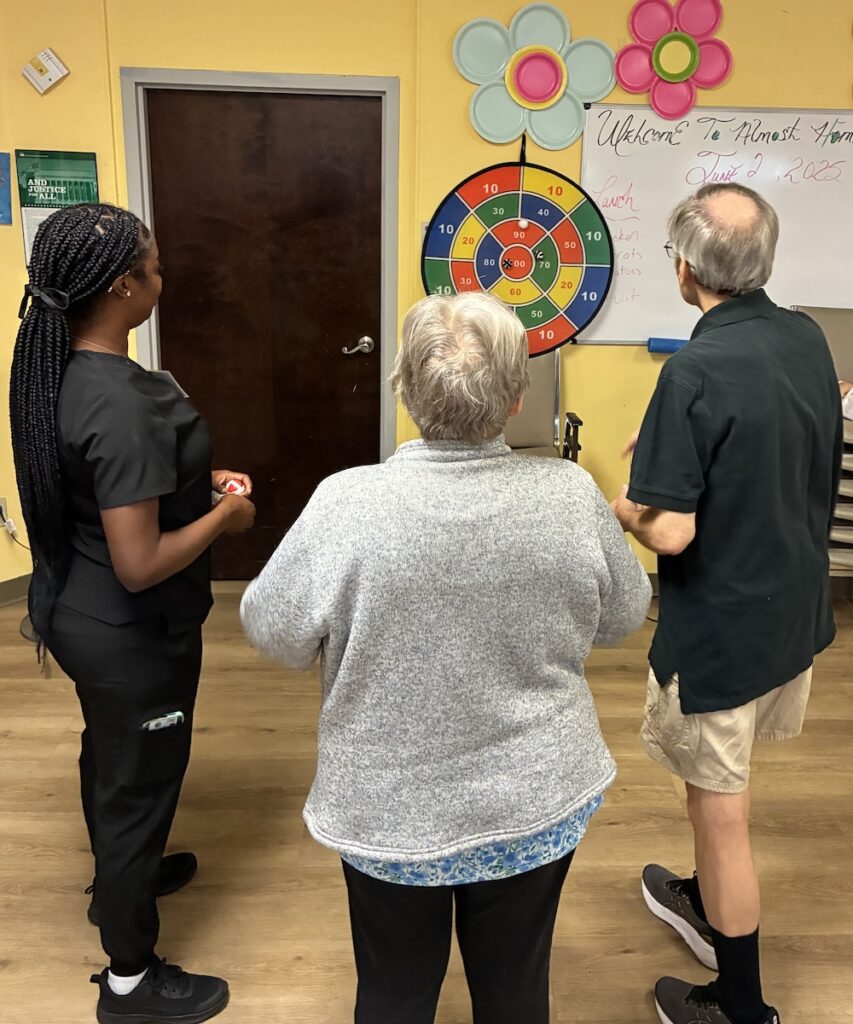
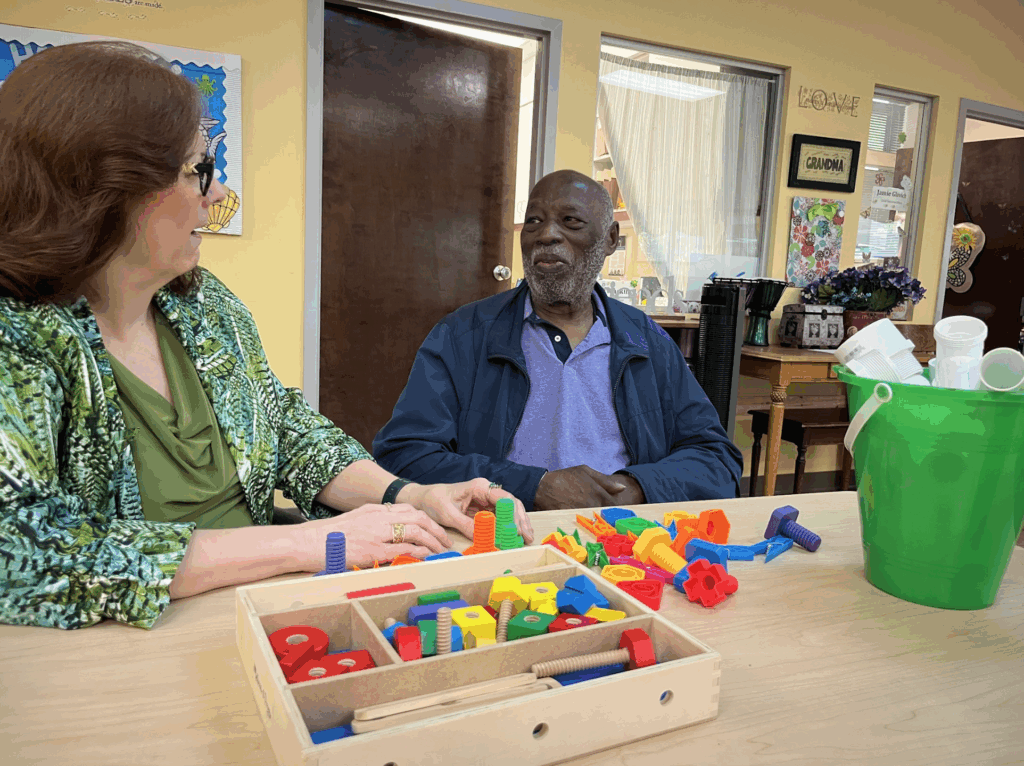
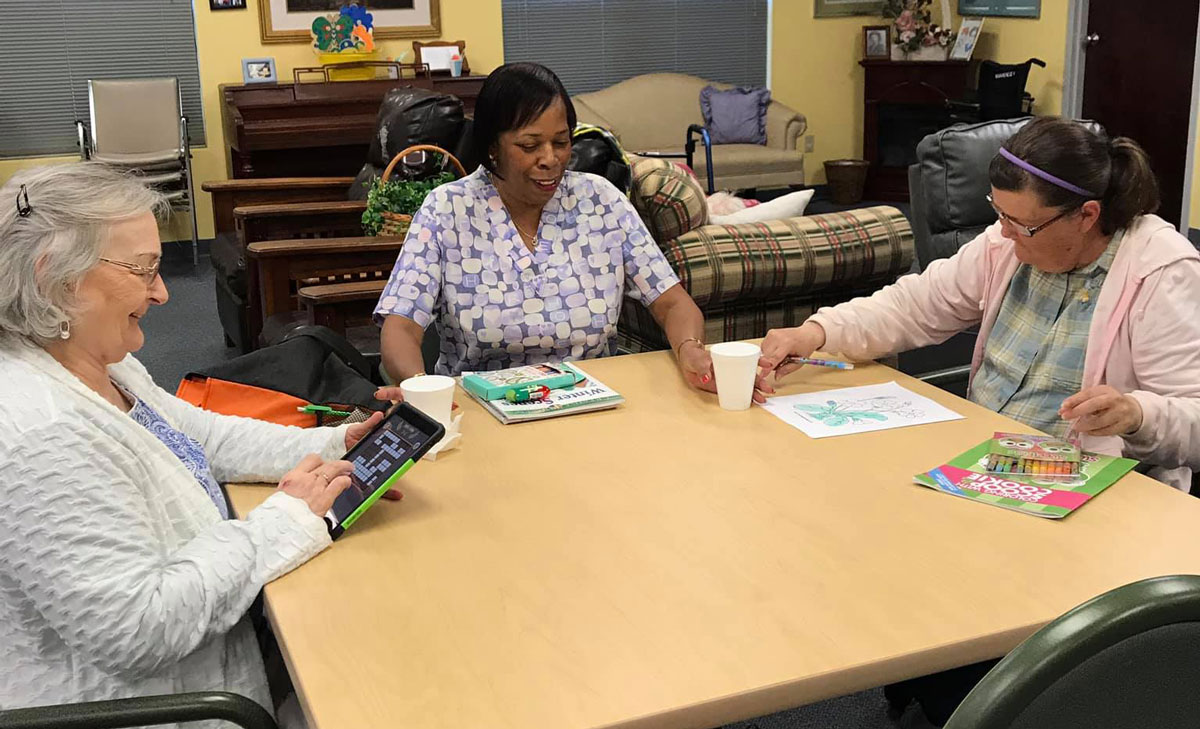
Whether someone finds comfort in familiar songs, puzzles, drawing, or games, we ensure that meaningful activities remain an integral part of daily life.
Emotionally, our home provides the stability and consistency that becomes so important when memory challenges arise. Familiar faces, predictable routines, and an atmosphere of unconditional acceptance help residents feel secure and loved, even when other aspects of life feel uncertain.
The Warmth of Belonging
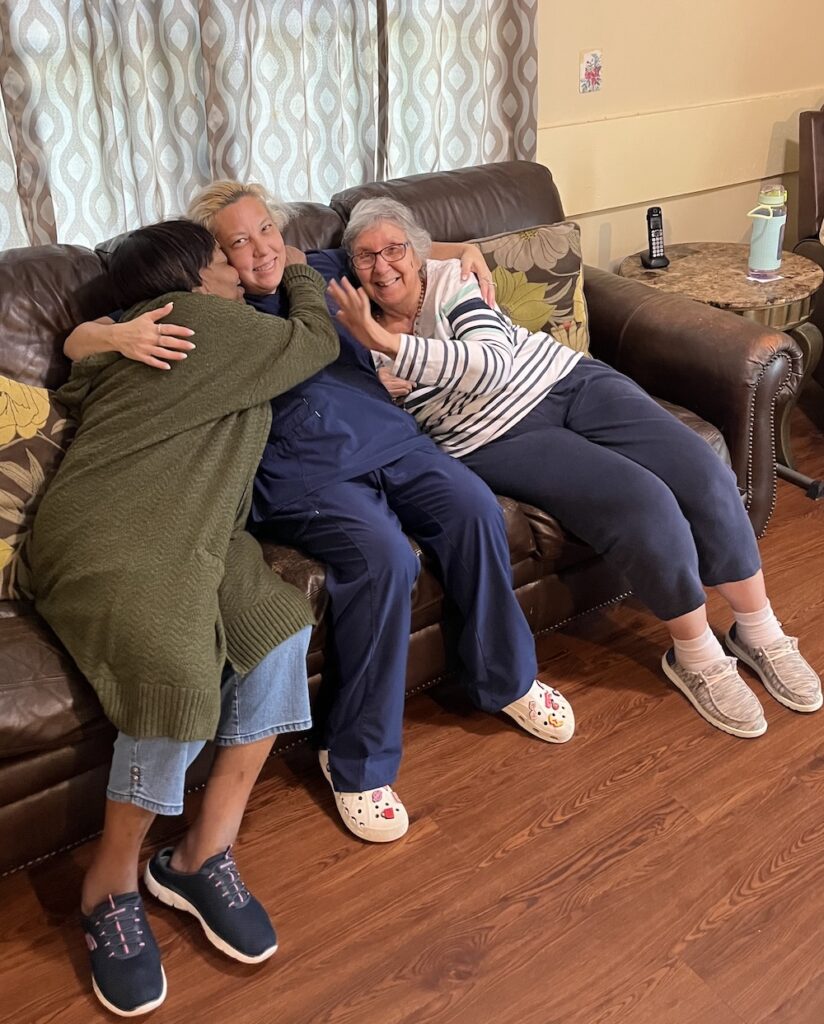
What truly makes Almost Home feel like home is the sense of belonging that permeates everything we do. Residents aren’t visitors or patients – they’re family members who deserve to feel valued, respected, and cherished. Staff members aren’t just employees – they’re the caring hearts who make this house a home through their dedication, compassion, and genuine love for the people they serve.
You’ll feel this sense of home in the way residents light up when they see familiar care partners each morning, in the laughter that echoes from our activity rooms, and in the peaceful contentment that settles over our community each evening. It’s in the way families feel comfortable spending time here, knowing their loved ones are not just cared for, but truly at home.
At Almost Home, we don’t just provide care; we provide a sanctuary where individuals with memory challenges can continue to live with dignity, purpose, and joy. Because everyone deserves a place to call home, no matter what challenges they may face.
Through comprehensive training and personal experience, our care partners develop a deep understanding that Alzheimer’s is a disease, not a personality defect or mental illness. This fundamental knowledge transforms how they interact with every resident, every single day. When Robert becomes agitated during dinner, our care partners don’t see defiance – they see a man whose brain is struggling to process familiar routines. When Margaret repeats the same question five times, they don’t hear annoyance – they hear someone seeking comfort and reassurance in an uncertain world.
This perspective shift is everything. It’s the difference between managing behaviors and nurturing souls. It’s what allows our care partners to respond with patience instead of frustration, with creativity instead of rigidity, and with love instead of mere duty.
Activating Compassion Through Action
Compassion isn’t just a feeling at Almost Home – it’s an active choice our care partners make throughout each day. They activate compassion by offering kind words when someone feels confused, providing gentle assistance when daily tasks become overwhelming, and engaging in acts of service that go far beyond basic care requirements.
You’ll see this compassion in action when Sarah, one of our care partners, sits with a resident who’s having a difficult moment, speaking softly about their grandchildren until anxiety melts into smiles. You’ll witness it when Jane takes extra time to help someone choose their outfit for the day, understanding that maintaining dignity in small choices makes an enormous difference. You’ll feel it when our entire team celebrates a resident’s birthday as if they were celebrating their own family member.
The Ripple Effect of Genuine Care
When care partners approach their work with true compassion, it creates a beautiful ripple effect throughout our community. Residents feel safer, more valued, and more connected to life around them. Families experience peace of mind knowing their loved ones are cared for by people who genuinely see and appreciate the person behind the diagnosis. Even fellow staff members are inspired to bring their best selves to work each day.
Our care partners understand that every interaction is an opportunity to make someone feel seen, heard, and valued. Whether they’re assisting with daily activities, leading group exercises, or simply sharing a laugh during mealtime, they carry with them the knowledge that their compassion has the power to transform ordinary moments into meaningful connections.
Growing Together in Understanding
What makes our care partners truly exceptional is their commitment to continuous growth. They attend regular training sessions, share experiences with colleagues, and remain open to learning new approaches that can better serve our residents. They understand that caring for someone with dementia requires flexibility, creativity, and an ever-expanding toolkit of compassionate responses.
This November, we celebrate these remarkable individuals who choose compassion over convenience, understanding over judgment, and love over indifference. Our care partners don’t just provide care – they provide hope, dignity, and joy to families navigating one of life’s most challenging journeys.
At Almost Home, we’re grateful for care partners who understand that behind every diagnosis is a person with a lifetime of stories, relationships, and dreams. Through their compassionate care, they help ensure that every resident continues to feel valued, respected, and loved.
At Almost Home, we believe every resident has a unique story worth celebrating. Our activities aren’t one-size-fits-all programs – they’re carefully crafted experiences that honor each person’s individual journey. When we take time to learn about Margaret’s love for gardening or discover that Robert was a jazz musician for forty years, we can create activities that spark recognition, bring smiles, and awaken cherished memories.
This personalized approach transforms simple activities into powerful moments of connection. A resident who once taught school might light up during a reading session with local children. Someone who loved cooking might find joy in helping prepare a favorite family recipe. These aren’t just activities – they’re bridges to the heart.
Social, Physical, and Spiritual Wellness
Our activity programming focuses on three essential pillars: social, physical, and spiritual wellness. Social activities help residents maintain connections and form new friendships, combating the isolation that memory challenges can bring. Physical activities keep bodies moving and minds engaged, whether through gentle exercises, dancing, or simple stretching routines. Spiritual activities provide comfort and meaning, honoring each person’s beliefs and values.
Music: The Language of Alzheimer’s
Perhaps no activity is more powerful than music therapy. We often say that music is the language of Alzheimer’s because it reaches places that words sometimes cannot. When we see residents who rarely speak begin humming along to a familiar tune, or watch someone’s face brighten during a sing-along session, we witness the incredible power of melody and rhythm to unlock memories and emotions.
Music transcends the barriers that dementia can create, allowing residents to connect with themselves and others in profound ways. Whether it’s listening to big band classics, participating in drumming circles, or simply clapping along to beloved hymns, music brings our community together in beautiful harmony.
The Art of Togetherness
At Almost Home, we understand that activities are never just about keeping busy – they’re about staying connected to life, to others, and to the essence of who we are. When residents engage in meaningful activities together, they’re not just passing time; they’re creating moments of joy, building relationships, and maintaining their sense of purpose and identity.
This October, we invite you to witness the magic that happens when activities become the art of being together. Because at Almost Home, every moment matters, and every activity is an opportunity to celebrate the beautiful, unique individuals in our care.
The desire to provide the best possible care for a father facing memory issues is universal. Yet, this path can bring immense emotional and physical demands. Caregivers often balance their own responsibilities with providing constant supervision, managing changing behaviors, and ensuring safety – all while cherishing every moment. At Almost Home, we understand these challenges intimately.
That’s why Almost Home Day Break offers a vital lifeline. Our specialized adult day program in Jacksonville, FL, provides a safe, engaging, and structured environment specifically designed for individuals with memory impairment. While your loved one enjoys stimulating activities, social connection, and compassionate care, you gain invaluable time for personal tasks, work, or simply much-needed respite. It’s a way to ensure your father remains active and connected, even as his memory changes.
For those requiring more comprehensive support, Almost Home ALF (Assisted Living Facility) provides exceptional assisted living in Jacksonville, FL. Our dedicated team offers personalized dementia care and support, ensuring comfort, dignity, and a fulfilling life within a nurturing community. We handle daily care, medication management, and provide a secure environment, offering families profound peace of mind.
Whether through our memory care day program or our assisted living services, Almost Home is committed to supporting both the individual with memory impairment and their dedicated caregivers. This Father’s Day, let us help you honor the incredible fathers in your lives by ensuring they receive the specialized care they deserve, allowing you to focus on creating cherished memories.
If you’re seeking Alzheimer’s and dementia care Jacksonville families trust, or exploring senior care options that prioritize dignity and well-being, we invite you to connect with Almost Home. Discover how our compassionate support can benefit your family’s journey. Reach out today: 904-731-4002.
2020 has been challenging for all of us. The upcoming holidays will definitely tempt us to seek comfort in all of the traditions that we love and keeping healthy during the holidays can be challenging. It starts with Halloween, then Thanksgiving, goes right to Christmas then directly into New Year’s Eve. While this time of year can be fun, it can also be hectic, stressful, and wreak havoc on your health, especially for the older population. It is important to stay vigilant in order to stay healthy. Here are 10 ideas to ensure you and your loved ones have a safe and fun holiday season! Read More
Sleep health begins with good sleep hygiene. Quality, uninterrupted sleep is important for many reasons. Research has shown that after a good sleep, people retain information and perform better on memory tasks. Our bodies also require long periods of sleep in order to restore, grow muscle, repair tissue, and synthesize hormones. As adults get older, ailments or health issues can interrupt sleep, creating further health issues, not to mention cranky moods. Read More
What you eat is important. Nutrition affects many things- from your energy level to your body’s ability to fight off illness. While good nutrition is different for everyone, there are a few basics.
Stay Hydrated
Dehydration is more problematic for seniors. It can be the result of limiting fluids to reduce incontinence issues, medications, or poor nutrition. A good rule of thumb is if you’re thirsty, you’re already dehydrated. There are many strategies for staying hydrated. Read more in this article https://almosthomeseniorservices.com/how-can-i-prevent-dehydration/
Limit Processed Sugar
According to the CDC, Americans are eating and drinking way too much added sugars, which can lead to health problems. There is a lot of hidden sugar in the foods and beverages a lot of people eat daily, such as bread, tomato sauce, or yogurt. Learning how to read food labels can help in making more nutritious choices.
Including fruits and vegetables is a delicious way to improve nutrition. Frozen and canned vegetables are also an option if fresh is not available or a longer shelf life is needed. https://www.ncbi.nlm.nih.gov/pmc/articles/PMC3713183/
Eat “Good Fats”
Fats are an important part of good nutrition, but not just any fat. Poor nutrition can be attributed to either too much unhealthy fats, not enough healthy fats, or a combination of both. There are many foods with good fats. Learn more about incorporating these into a nutritious diet.
According to Medicare, dietary fiber is an important part of a healthy diet for people of all ages, it can greatly help older adults who have challenges with constipation, cholesterol levels, blood sugar levels, and their weight. Eating foods higher in fiber is another important part of good nutrition.
Before making changes to your diet, talk to your doctor about seeing a nutritionist. Almost Home is here to help families by offering quality & affordable Adult Day Care, Assisted Living & Family Consulting Services, including information and resources on how to keep yourself well. Contact us if you have any questions on how we can help you and your family.
Brain health is more than just having a good memory. It refers to all of the brain’s responsibilities: cognitive function, emotional function, sensory function, and motor function. Here are some fun and easy ways to improve your brain health.
Cognitive Function
Cognitive function is the ability to learn, remember, and think clearly. There are many activities that promote and even improve cognitive function.
Engage in meaningful conversation. Don’t just talk about the weather- have an actual conversation of depth and purpose.
Use the opposite hand for simple tasks such as brushing your teeth or for more difficult tasks such as writing or drawing.
Play puzzles and word games. Make sure to choose new or more challenging options!
Emotional Function
Emotions are responses to environmental signals. There are many activities that can help improve our emotions or avoid negative ones such as frustration, boredom, or sadness.
Exercise increases “feel good chemicals” and can improve confidence with improved fitness.
Good nutrition supports emotional function. Check with your local nutritionist if you think your nutrition could use a boost.
Heard of “waking up on the wrong side of the bed?” Healthy sleep habits also support emotional function. Make sure to get enough of quality sleep.
Sensory function
Sensory function refers to the senses of touch, pressure, temperature and pain. Balance is controlled by our sensory functions. Learn more about how our sensory functions affect balance as well as what you can do to improve it in this article by Elder Gym. https://eldergym.com/elderly-balance/
Motor Function
Motor function is defined as “the ability to learn or to demonstrate the skillful and efficient assumption, maintenance, modification, and control of voluntary postures and movement patterns.” Fine motor refers to using the small muscles in the hands and wrists. Gross motor refers to the large muscles of the body for walking, running, sitting, crawling , etc…It is important to improve both fine and gross motor functions.
Fine motor activities
Squeeze a tennis or stress ball
Sort coins or bills into denomination stacks
Open bottles, food containers, medicine bottles
Lace beads, sort jewelry or other small items
Large motor function activities- chair exercises
Chair Exercises
Resistance Band Workouts
Walking
Swimming or Water Aerobics
As always, ensure you get cleared by your doctor before engaging in new exercises or making changes to your diet. Almost Home is here to help families by offering quality & affordableAdult Day Care, Assisted Living& Family Consulting Services, including information and resources on how to keep yourself well. Contact us if you have any questions on how we can help you and your family.